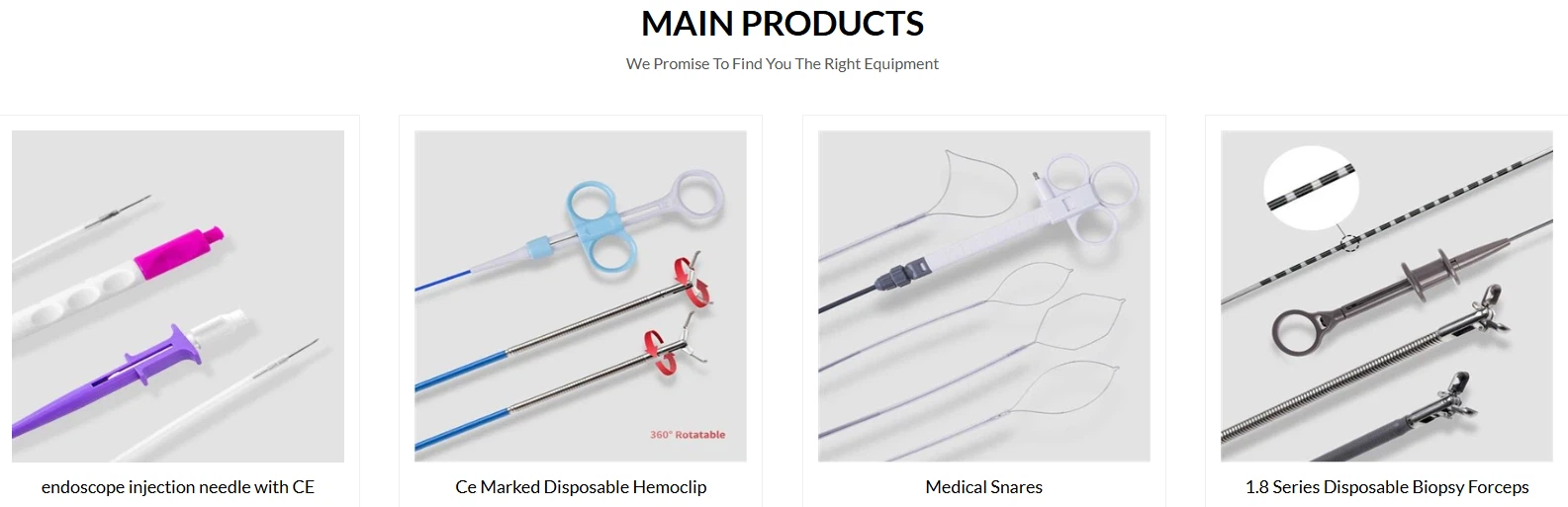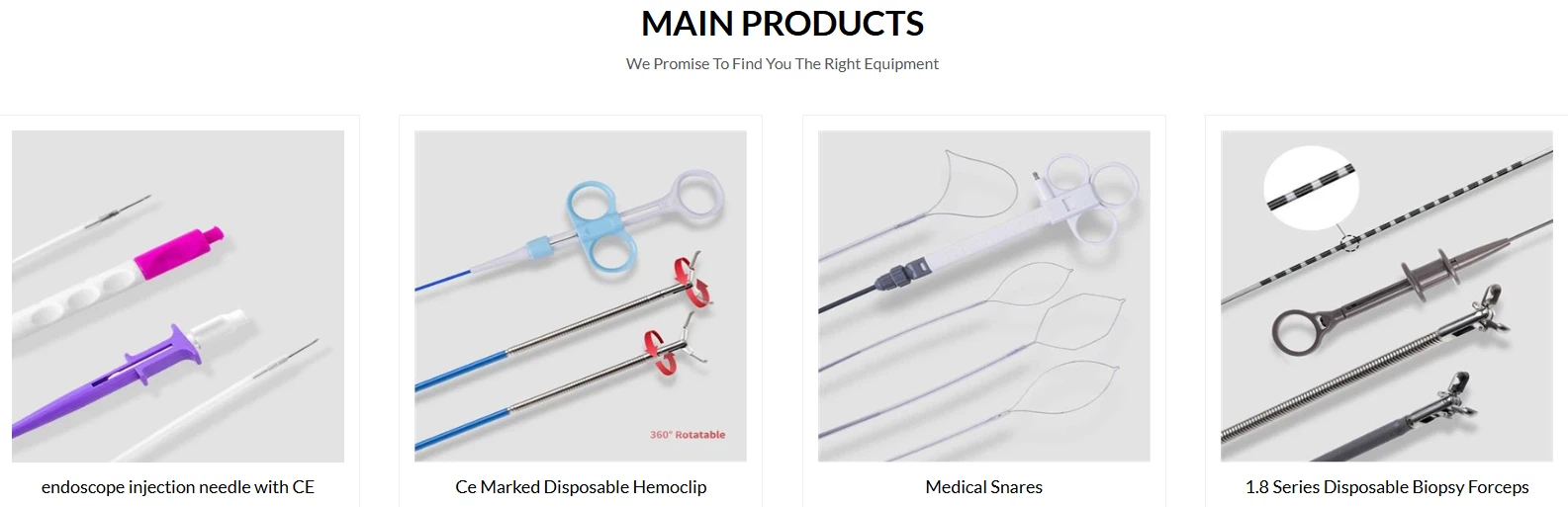
Hemostatic clips are medical devices used to quickly block vascular bleeding, and are commonly used in surgery, trauma treatment and other scenarios. It achieves hemostasis by mechanically compressing or clamping the ends of blood vessels. It is divided into absorbable and non-absorbable types, and needs to be selected and used by professionals according to tissue type, bleeding site, etc.
1. Principle and type of hemostatic clips
Mechanical compression hemostasis: blocking blood flow by clamping the ends of blood vessels or surrounding tissues. 1.
Absorbable hemostatic clips: Made of materials such as polylactic acid, they can be absorbed by the human body after surgery, reducing the risk of secondary surgery, and are often used for internal organs or deep tissues. 2.
Non-absorbable hemostatic clips: such as titanium alloy materials, need to be removed after surgery, suitable for wounds on the surface of the body or for short-term observation. 3.
2. Applicable scenarios and operating specifications
Hemostasis during surgery: such as clamping small blood vessels during laparoscopic surgery to reduce intraoperative bleeding. 1.
Emergency trauma treatment: Temporary blockage of actively bleeding blood vessels to buy time for subsequent treatment. 2.
Endoscopic treatment: such as clamping ulcer bleeding points or vascular malformations under gastrointestinal endoscopy. 3.
Operation requirements: It must be completed by medical staff in a sterile environment, and the bleeding point must be accurately located to avoid accidental clamping of healthy tissue. 4.
III. Precautions for use
Tissue assessment: Before clamping, the thickness and position of the blood vessels must be confirmed to avoid incomplete clamping or damage to peripheral nerves. 1.
Material selection: Absorbable clips may cause mild inflammatory reactions, and the patient's physique must be weighed; the position of titanium clips must be recorded for subsequent removal. 2.
Contraindications: Use with caution in patients with coagulation disorders, infected wounds or fragile tissues, which may aggravate the injury. 3.
IV. Potential risks and complications
Clamping failure: Blood vessel retraction or clip displacement leads to secondary bleeding. 1.
Tissue damage: Excessive clamping may cause necrosis or scar hyperplasia. 2.
Foreign body reaction: A very small number of patients are allergic to the material and need to be treated in time. 3.
V. Differences from other hemostasis methods
- Suture hemostasis: It takes a long time and is suitable for larger blood vessels or complex wounds.
- Electrocoagulation hemostasis: It seals blood vessels through heat energy, but the risk of thermal damage to surrounding tissues is high.
- Hemostatic powder/gel: Suitable for capillary bleeding, but has limited effect on arterial bleeding.
As a precise and efficient hemostatic tool, hemostatic clamps must strictly follow the operating specifications. If ordinary people encounter bleeding, they should give priority to basic hemostatic methods such as pressure bandaging and seek medical treatment as soon as possible. Do not use professional hemostatic devices on your own.