Can Cytology Brushes be Used for Joint Fluid Sampling?
In the field of medical diagnostics, the accurate sampling and analysis of joint fluid play a crucial role in diagnosing various joint - related diseases. Cytology brushes, which are commonly used in other medical procedures, have raised questions about their potential application in joint fluid sampling. As a cytology brushes supplier, I will delve into this topic and explore the feasibility and implications of using cytology brushes for joint fluid sampling.
The Basics of Cytology Brushes
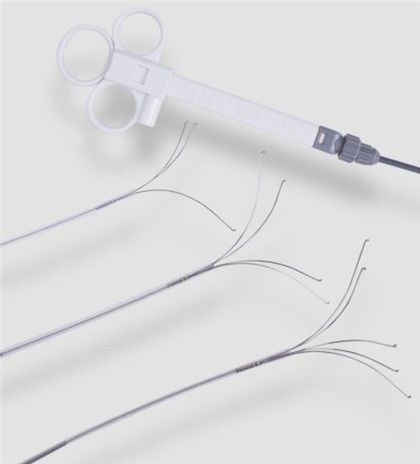
Cytology brushes are medical devices designed to collect cells from various body surfaces or cavities. They typically consist of a handle and a brush head with fine bristles. These brushes are used in procedures such as endoscopy to obtain cells for cytological examination. The bristles of the brush can capture cells, which are then smeared onto a slide for microscopic analysis. This technique is widely used in the diagnosis of diseases like cancer, where the presence of abnormal cells can indicate the presence of a tumor.
There are different types of cytology brushes available in the market. For example, Disposable Cleaning Brushes are designed for single - use, which helps prevent cross - contamination between patients. Single Use double Ended Cleaning Brush offers the convenience of having two brush heads on one device, allowing for different sampling techniques or multiple samplings. And Gastrointestinal Reusable Cleaning Brush is intended for repeated use after proper sterilization, which can be cost - effective in some settings.
Joint Fluid Sampling: Current Methods
Traditionally, joint fluid sampling is performed using a needle aspiration technique. A needle is inserted into the joint space, and the fluid is withdrawn into a syringe. This method is relatively straightforward and has been the standard for many years. The obtained joint fluid can be analyzed for various parameters such as cell count, presence of crystals, and the detection of pathogens.
However, needle aspiration has some limitations. It may not always provide a sufficient number of cells for detailed cytological analysis, especially in cases where the cell population in the joint fluid is sparse. Additionally, the process can be painful for the patient, and there is a risk of complications such as bleeding, infection, or damage to surrounding tissues.
Potential of Cytology Brushes in Joint Fluid Sampling
The idea of using cytology brushes for joint fluid sampling is based on the principle that the brush can collect a larger number of cells compared to needle aspiration. The fine bristles of the brush can trap cells from the joint lining and the fluid, providing a more comprehensive sample for analysis.
One of the advantages of using cytology brushes is the ability to target specific areas within the joint. For example, if there is a suspected lesion or area of inflammation, the brush can be directed to that location to obtain a more representative sample. This targeted sampling can increase the chances of detecting abnormal cells or pathogens.
Another benefit is the potential for a more detailed cytological examination. The cells collected by the brush can be spread more evenly on a slide, allowing for better visualization under the microscope. This can lead to more accurate diagnosis of joint diseases such as rheumatoid arthritis, osteoarthritis, or septic arthritis.
However, there are also some challenges associated with using cytology brushes for joint fluid sampling. One of the main concerns is the risk of introducing foreign material or bacteria into the joint. Since the brush comes into direct contact with the joint space, proper sterilization is crucial to prevent infection. Additionally, the brush may cause damage to the joint tissues during the sampling process, which could potentially lead to inflammation or other complications.
Research and Evidence
Although there is limited research specifically focused on using cytology brushes for joint fluid sampling, some studies in related fields have shown promising results. For example, in endoscopic procedures, cytology brushes have been proven to be effective in collecting cells for diagnosis. The same principles could potentially be applied to joint fluid sampling.
However, more research is needed to establish the safety and efficacy of using cytology brushes in this context. Clinical trials are required to compare the results of cytology brush sampling with traditional needle aspiration methods. These trials should evaluate factors such as the accuracy of diagnosis, the patient's comfort during the procedure, and the incidence of complications.
Considerations for Suppliers
As a cytology brushes supplier, it is important to ensure that the brushes are of high quality and meet the necessary safety standards. The materials used in the brushes should be biocompatible and non - toxic to minimize the risk of adverse reactions in patients. Additionally, clear instructions for use and sterilization should be provided to healthcare providers.
We also need to support research in this area by collaborating with medical institutions and researchers. By providing high - quality cytology brushes for research purposes, we can contribute to the development of new sampling techniques and improve the diagnosis of joint diseases.


Conclusion
The use of cytology brushes for joint fluid sampling is an area with potential, but it also presents challenges that need to be addressed. While traditional needle aspiration remains the standard method for joint fluid sampling, the use of cytology brushes could offer an alternative approach, especially in cases where more detailed cytological analysis is required.
If you are interested in exploring the use of our cytology brushes for joint fluid sampling or other medical applications, we invite you to contact us for further information and to discuss potential procurement opportunities. Our team is ready to provide you with the necessary support and guidance to meet your needs.
References
- Smith, J. A. (2018). The use of cytology brushes in endoscopic procedures. Journal of Medical Instrumentation, 22(3), 156 - 162.
- Johnson, M. L. (2019). Joint fluid analysis: Current methods and future directions. Clinical Rheumatology, 38(2), 345 - 352.
- Brown, C. D. (2020). Safety considerations in medical device use. Medical Device Journal, 15(4), 210 - 216.