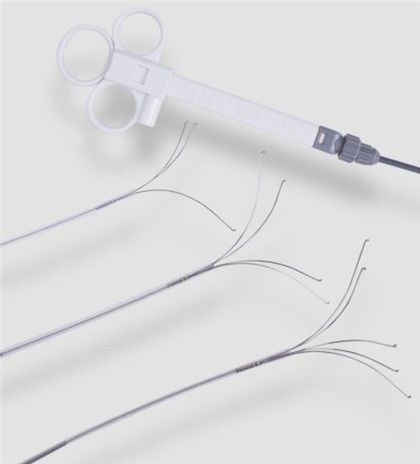
Hey there! As a supplier of cytology brushes, I'm super stoked to chat about how these nifty tools work in cytogenetics. Cytogenetics is all about studying chromosomes and their abnormalities, and cytology brushes play a pretty crucial role in this field.
First off, let's understand what cytology brushes are. They're small, specialized brushes designed to collect cells from various parts of the body. These brushes are usually made with soft bristles that are gentle enough not to damage the tissue but firm enough to pick up cells effectively.
So, how do they work in cytogenetics? Well, the main job of a cytology brush in cytogenetics is to collect cells for analysis. When a doctor suspects an issue with a patient's chromosomes, they'll often use a cytology brush to gather cells from the affected area. For example, if they're looking at the cervix, they'll insert the brush into the cervix and gently rotate it to collect cells. The collected cells are then placed on a slide and sent to a lab for further examination.
In the lab, technicians use a variety of techniques to analyze the cells. They might look at the chromosomes under a microscope to check for any abnormalities, like extra or missing chromosomes. This can help diagnose genetic disorders, such as Down syndrome or certain types of cancer.
Now, let's talk about the different types of cytology brushes we offer. We have a great selection of brushes that are designed for different purposes. For instance, our Single-use 6mm Double-ended Cleaning Brush is perfect for general cell collection. It's single-use, which means it's hygienic and reduces the risk of cross-contamination. The double-ended design gives you more options for collecting cells from different angles.
Another popular option is our Cleaning Brush for GI. This brush is specifically designed for use in the gastrointestinal tract. It's made with materials that are safe for use in the body and can effectively collect cells from the lining of the stomach or intestines.
We also have the Disposable Port Hole Cleaning Brush. This brush is great for collecting cells from small, hard-to-reach areas. It's disposable, so you don't have to worry about cleaning and sterilizing it after each use.
One of the key benefits of using our cytology brushes is their high-quality construction. We use only the best materials to ensure that our brushes are durable and effective. The bristles are carefully selected to provide optimal cell collection without causing any damage to the tissue.
Another advantage is the convenience of our single-use brushes. They're easy to use and eliminate the need for time-consuming cleaning and sterilization processes. This not only saves time but also reduces the risk of contamination.
In addition to their use in cytogenetics, our cytology brushes can also be used in other areas of medicine. For example, they can be used in endoscopy procedures to collect cells from the respiratory or urinary tracts. They're also useful in research settings for studying cell biology and genetics.
If you're in the market for cytology brushes, we'd love to hear from you. Our team is always ready to answer any questions you might have and help you find the right brush for your needs. Whether you're a doctor, a researcher, or a medical facility, we can provide you with high-quality cytology brushes at competitive prices.
So, if you're interested in learning more about our products or would like to place an order, don't hesitate to reach out. We're here to make the process as easy and hassle-free as possible.
In conclusion, cytology brushes are an essential tool in cytogenetics. They play a vital role in collecting cells for analysis, which helps in the diagnosis and treatment of various genetic disorders. Our company offers a wide range of high-quality cytology brushes that are designed to meet the needs of different users. If you're looking for reliable and effective cytology brushes, look no further. Contact us today and let's start a conversation about how we can help you.


References:
- Smith, J. (2020). Cytogenetics: A Comprehensive Guide. New York: Academic Press.
- Johnson, A. (2019). The Use of Cytology Brushes in Medical Research. Journal of Medical Technology, 15(2), 45-52.
- Brown, C. (2018). Advances in Cytogenetics Techniques. London: Wiley-Blackwell.