


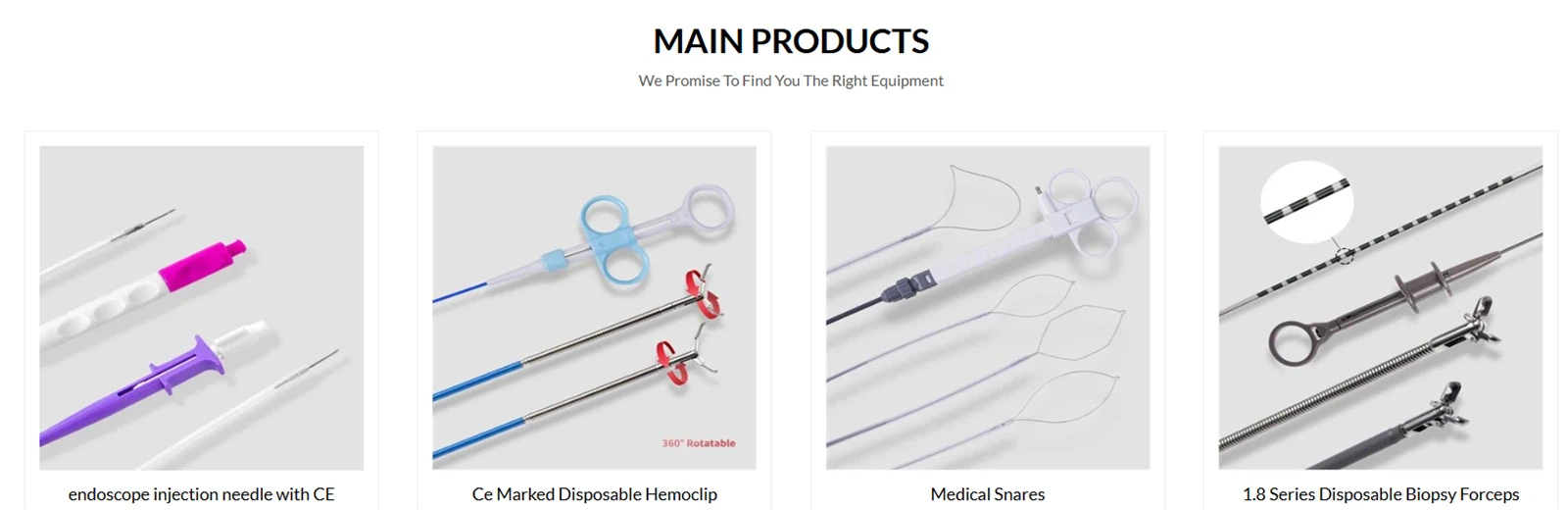
In intestinal polypectomy, a small tool is often used - titanium clip, which is what we call hemostatic clip. Many patients are full of doubts about it. They don't understand why titanium clips are needed to remove polyps, and they are more curious about where the titanium clips go after the operation. The following is a detailed answer for everyone.
Reasons for using "titanium clips" when cutting polyps
① Effective hemostasis
After intestinal polyps are removed, a wound will be left on the intestinal wall. If this wound is not treated in time, it is easy to bleed. The primary function of the titanium clip is to stop bleeding. There are abundant blood vessels in the intestine. Once bleeding occurs, it may cause a large amount of bleeding and affect the health of the patient.
For example, when removing larger polyps or the base of the polyps is wider, the blood vessels in the wound are prone to rupture and bleeding. Titanium clips can clamp the blood vessels at the bleeding site tightly like small clips, blocking blood flow, thereby achieving the purpose of rapid and effective hemostasis, avoiding serious consequences such as anemia and shock caused by bleeding.
② Promote wound healing
In addition to hemostasis, titanium clips can also help wound healing. It pulls and fixes the tissues on both sides of the wound on the intestinal wall together, so that the wound fits tightly. In this way, the body's own repair mechanism can play a better role and accelerate the healing process of the wound.
Just like we use Band-Aids to fit skin wounds, let the skin on both sides of the wound close together, and promote healing. Tightly fitting wounds can reduce the risk of infection and help intestinal function return to normal as soon as possible.
The natural shedding process of titanium clips
① Postoperative status in the body
When the titanium clip is placed in the intestine, it will continue to work, continuously clamping blood vessels and wounds, maintaining hemostasis and promoting healing. At this stage, the patient generally does not have obvious feelings, and the titanium clip will not affect the normal peristalsis and digestive function of the intestine.
The doctor will inform the patient of the precautions after surgery, such as dietary adjustments, according to the patient's specific situation, to ensure that the titanium clip can successfully complete its mission in the body.
②Natural shedding and discharge
Usually 1-3 weeks after surgery, as the wound gradually heals, the mission of the titanium clip is coming to an end. At this time, the titanium clip will begin to fall off naturally. The intestine will excrete the detached titanium clip along with the feces through normal peristalsis.
In this process, patients do not need to worry too much and generally will not notice the discharge of the titanium clip. Just like our daily defecation, the titanium clip will leave the human body quietly. Of course, if the patient finds a foreign body similar to a metal clip during defecation, don't panic, this is likely to be a titanium clip that has fallen off.
Summary
In intestinal polypectomy, titanium clips play a vital role. It provides a strong guarantee for hemostasis and wound healing, and will fall off naturally after completing its mission. Knowing this knowledge can make us feel more at ease after surgery and actively cooperate with recovery.


